

When people start learning about link building, two terms often appear: backlinks and referring domains. These terms are related, but they are not the same. Understanding the difference is important for building a strong SEO strategy.
Many website owners focus only on the number of backlinks they have. However, search engines like Google also look at the number of unique websites linking to you, which are called referring domains.
In this guide, we will explain what backlinks and referring domains are, how they work, and which one has a stronger impact on search rankings.
What Are Backlinks?
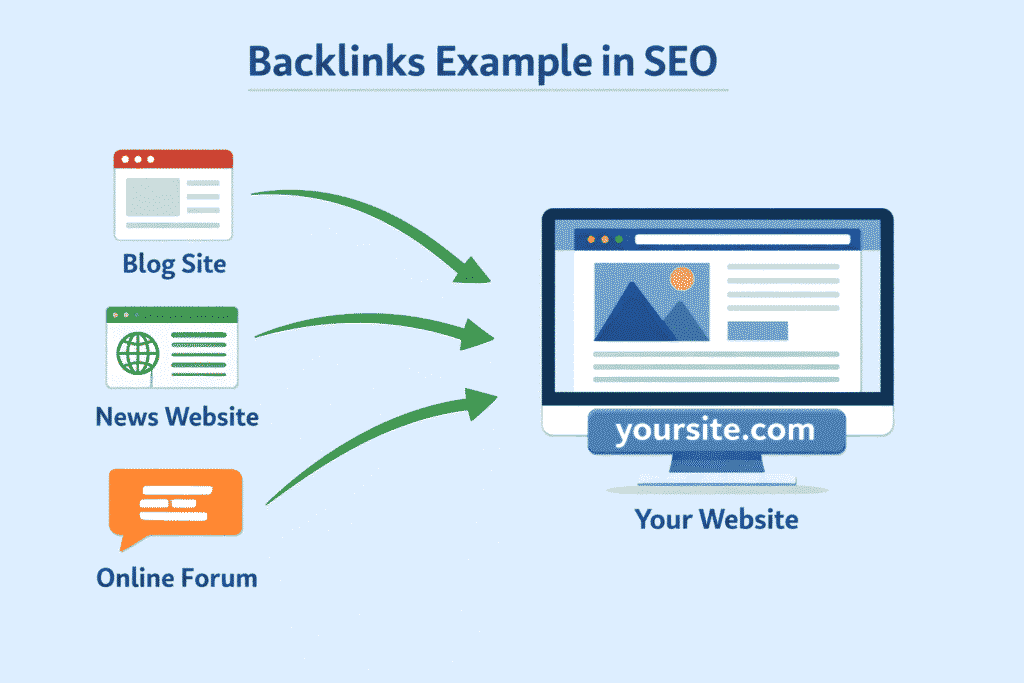
A backlink is a link from one website to another. When a website links to your page, it creates a backlink for your site.
Search engines treat backlinks as a signal of trust. If many websites link to a page, it usually means that the content is helpful or valuable.
For example, if a blog article mentions your website and adds a link to it, that link becomes a backlink.
Backlinks can come from many places, including:
- blog posts
- news websites
- business directories
- forums
- resource pages
If one website links to your site several times, each link counts as a separate backlink.
For example:
- One website linking to your page five times = 5 backlinks
Backlinks are an important part of SEO because they help search engines discover new pages and measure the popularity of a website.
However, the number of backlinks alone does not always show the true strength of a link profile.
What Are Referring Domains?
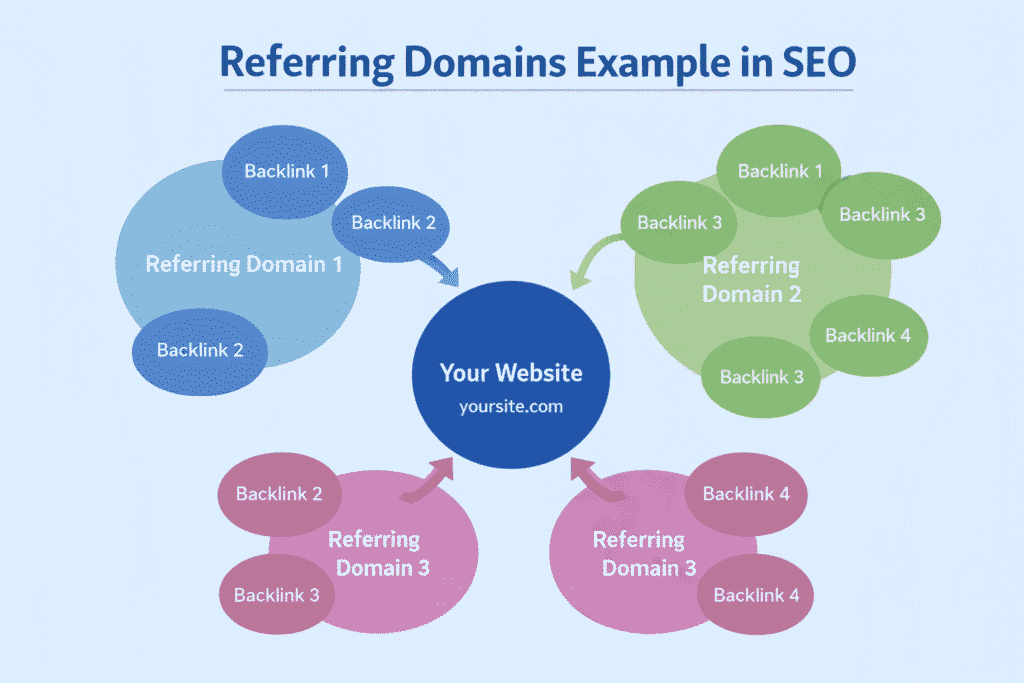
A referring domain is a unique website that links to your site.
Even if a website links to your page multiple times, it still counts as one referring domain.
For example:
- Website A links to you 10 times → 10 backlinks but only 1 referring domain
This concept is important because search engines often value link diversity. Links from different websites can show that many sources trust your content.
Referring domains help search engines understand how widely your website is recommended across the internet.
If many different websites link to your pages, it usually creates a stronger signal of authority.
Backlinks vs Referring Domains: Key Differences

Although these terms are closely related, they represent different things.
| Factor | Backlinks | Referring Domains |
| Meaning | Total number of links pointing to your site | Number of unique websites linking to you |
| Example | 20 links from one website | 1 referring domain |
| SEO value | Helpful but can be repetitive | Shows diversity and trust |
| Measurement | Total link count | Unique domain count |
Both metrics are useful for analyzing a website’s link profile, but they provide different insights.
Backlinks show the total volume of links, while referring domains show how many different websites trust your content.
Why Referring Domains Matter in SEO
Search engines try to measure how trustworthy a website is. One way to do this is by analyzing the diversity of backlinks.
If a website receives many links from different sources, it may indicate that the content is widely recognized.
For example, imagine two websites:
Website A
- 100 backlinks
- All from 1 website
Website B
- 25 backlinks
- From 25 different websites
In many cases, Website B may perform better in search rankings because it has more referring domains.
This is because links from multiple websites often create a more natural link profile.
A healthy backlink profile usually includes:
- links from many different websites
- links from relevant topics
- links placed naturally in content
These factors help search engines evaluate the reliability of a website.
How Backlinks and Referring Domains Work Together
Backlinks and referring domains should not be seen as competitors. Instead, they work together to create a balanced link profile.
A strong website often has:
- multiple referring domains
- a reasonable number of backlinks from each domain
For example, a natural profile might look like this:
- 50 referring domains
- 150 backlinks
This means each domain links to the website a few times, which looks natural.
However, if a website has thousands of backlinks but only a few referring domains, it may appear unnatural.
Search engines may interpret this as an attempt to manipulate rankings.
For this reason, most SEO professionals focus on growing referring domains gradually rather than increasing backlink numbers alone.
How to Increase Referring Domains
If you want to improve your website’s authority, gaining links from new websites is an effective strategy.Here are several common ways to increase referring domains.
Guest Posting
Guest posting allows you to publish articles on other websites while linking back to your site. This is one of the most popular link building strategies.
When done correctly, guest posting can help you earn links from relevant websites in your industry.
Contextual Backlinks
Contextual links appear naturally inside article content. These links usually provide more value than links placed in sidebars or footers.
Content-based links from relevant articles can help improve both backlinks and referring domains.
Resource Link Building
Some websites maintain resource pages that list helpful tools or guides. If your content is useful, you may be able to get listed on these pages.
Partnerships and Mentions
Collaborating with other websites, bloggers, or businesses can lead to natural mentions and links.
These mentions often create new referring domains over time.
Creating Linkable Content
Publishing useful guides, case studies, or research content increases the chances that other websites will link to your pages.
When your content solves real problems, it naturally attracts links.
Tools to Check Backlinks and Referring Domains
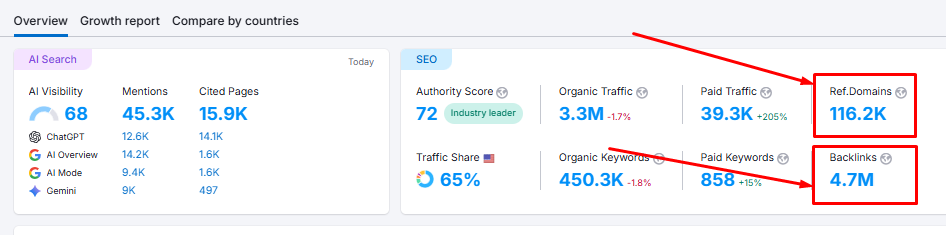
Several SEO tools allow you to analyze backlinks and referring domains. These tools help website owners understand how their link profile grows over time.
Popular tools include:
These platforms can show:
- Total backlinks
- Referring domains
- Anchor text distribution
- New and lost links
Tracking this data helps identify link opportunities and monitor the health of your backlink profile.
Common Mistakes in Link Building
Many beginners focus only on increasing the number of backlinks. However, some practices can harm SEO.
Common mistakes include:
- creating many links from the same website
- using irrelevant websites for links
- buying large numbers of low-quality backlinks
- ignoring link diversity
Instead of focusing on quantity alone, it is better to aim for relevant links from different websites.
A gradual increase in referring domains usually creates a more stable link profile.
Backlinks vs Referring Domains: Which One Is More Important?
Both backlinks and referring domains are important for SEO, but referring domains often provide stronger signals.
Backlinks help search engines discover content and measure popularity. Referring domains show how many different websites trust your content.
In many SEO studies, websites with more unique referring domains tend to rank higher than those with many links from a few sources.
For this reason, building links from different websites should be a key part of any link building strategy.
A balanced approach usually works best:
- focus on gaining links from new websites
- maintain relevant and natural link placement
- build backlinks gradually over time
Final Thoughts
Understanding the difference between backlinks and referring domains is essential for building a healthy SEO strategy.
Backlinks represent the total number of links pointing to your site, while referring domains represent the number of unique websites linking to you.
Although both metrics matter, referring domains often provide stronger signals of authority because they show link diversity.
Instead of chasing large numbers of backlinks, it is better to focus on gaining links from relevant and trustworthy websites.
Over time, a steady growth in referring domains can help improve search visibility and build long-term authority for your website.